Localized Reward Programs Accelerating Growth in Freshly Regulated Wagering Zones
Katja Beck · Sep 24, 2026

Localized Reward Programs Accelerating Growth in Freshly Regulated Wagering Zones
Operators in territories that opened to regulated betting during 2025 and 2026 deploy geo-specific incentives that match local regulations and cultural preferences, and these tactics produce measurable lifts in user acquisition, according to industry tracking data. Markets such as additional U.S. states and select Canadian provinces illustrate the pattern where tailored sign-up offers, deposit matches, and risk-free bets appear only to users within defined zip codes or provincial borders.
Regulatory Timing Shapes Offer Design
States that completed licensing rounds in late 2025 rolled out frameworks requiring operators to restrict promotions to verified residents, and September 2026 saw further jurisdictions finalize similar rules that tie bonus eligibility to address verification systems. Companies respond by creating campaigns that reference local sports franchises or regional events, while compliance teams ensure no cross-border leakage occurs through IP or payment filters.
Data from the American Gaming Association shows acquisition costs in these fresh markets drop when promotions align with state-specific tax structures and consumer habits. Observers note that operators test multiple variants in A/B frameworks limited to single metro areas before scaling the winning combination statewide.
Examples from Recent Market Openings
One operator in a Midwestern state introduced a first-bet insurance product available exclusively to residents within 150 miles of the capital, and sign-ups in that corridor rose 38 percent above the statewide average within the first quarter. Another firm in an Atlantic province offered reload credits tied to local lottery draws, producing retention rates that exceeded national benchmarks reported by the same company in older markets.
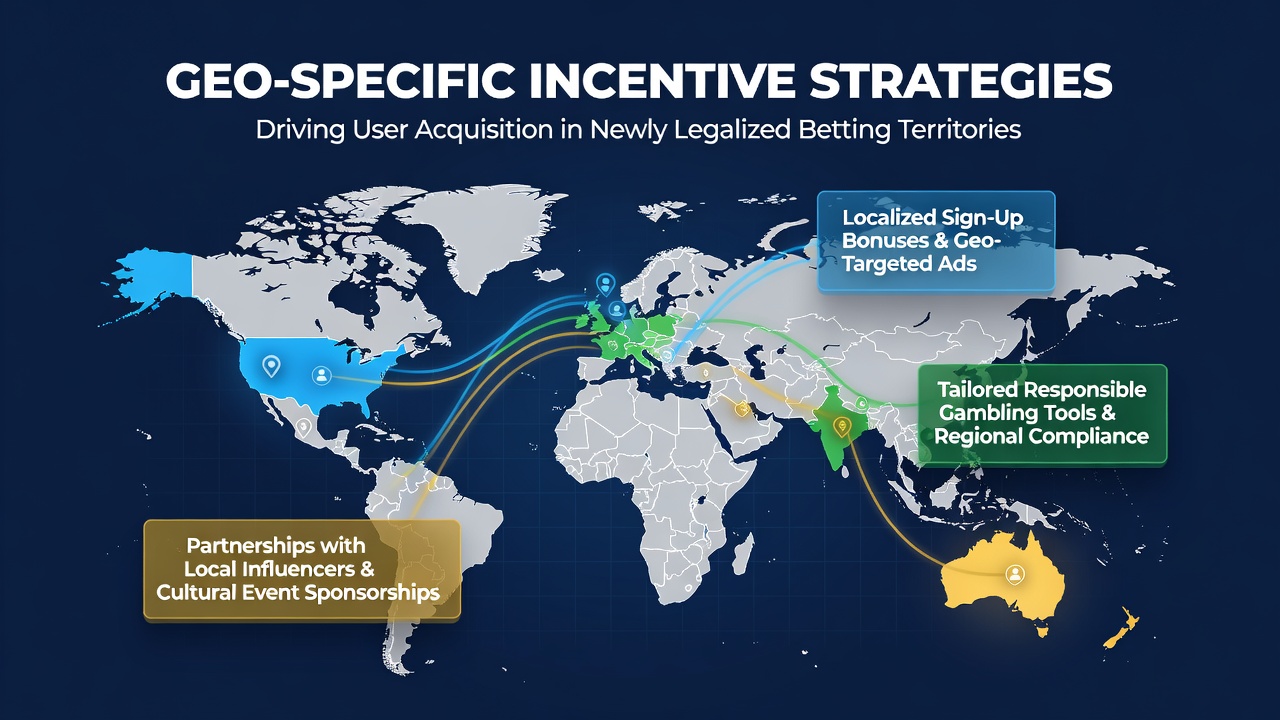
Analysts at the Canadian Gaming Association documented similar results after Ontario expanded its iGaming framework, where geo-fenced free-play tokens linked to NHL team performance drove higher conversion among users in specific census divisions. These patterns repeat across markets because local relevance increases perceived value and reduces regulatory friction during the verification step.
Technology Enables Precise Delivery
Geo-location services integrated with player account management systems verify eligibility in real time, and marketing platforms segment audiences by latitude and longitude coordinates supplied during registration. Payment processors add another layer by declining bonus claims from outside approved regions, which protects operators from fines while maintaining trust with regulators.
Research published by the University of Nevada, Las Vegas International Gaming Institute indicates that campaigns using three or more location-based variables convert at rates 22 percent higher than generic national offers. Teams adjust parameters weekly based on performance dashboards that break down acquisition by city and even neighborhood clusters.
Challenges in Execution and Measurement
Fragmented regulations create operational complexity because each new territory introduces unique tax rates, advertising restrictions, and responsible gaming thresholds that must appear in every incentive description. Operators that maintain separate creative libraries for each jurisdiction report lower error rates during audits, yet the added production cost requires careful forecasting of lifetime value from acquired users.
Figures released by teh National Council on Problem Gambling highlight the need for clear disclosure language that varies by jurisdiction, and companies incorporate these requirements into automated copy generators to avoid manual delays. Those who studied early market entries observe that transparent terms also correlate with lower chargeback volumes in the first 90 days after launch.
Conclusion
Geo-specific incentive strategies continue to drive measurable user acquisition in territories that legalized betting between 2025 and 2026, with success tied to precise regulatory alignment, local cultural references, and robust verification technology. Data from multiple jurisdictions demonstrates consistent patterns where tailored offers outperform generic alternatives, while compliance frameworks protect operators from enforcement actions. As additional regions finalize licensing, the same combination of location-aware tools and segmented creative appears likely to repeat the acquisition gains already recorded.